
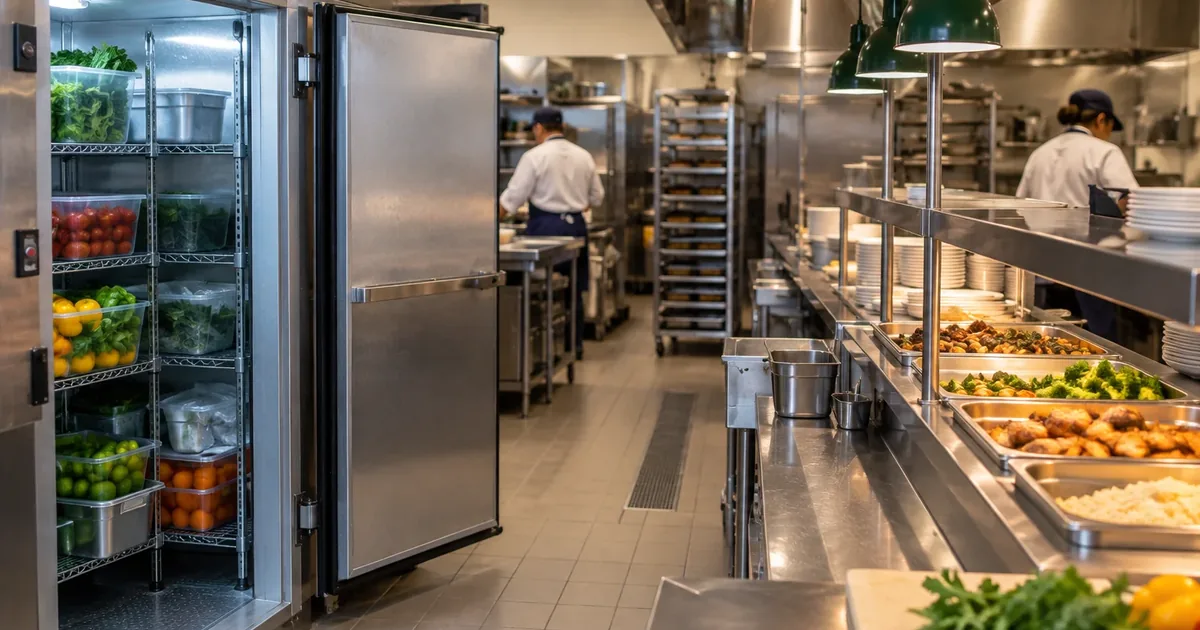
Automated Temperature Alerts and the Food Code: What an Inspector Accepts as a Record
Learn how automated temperature alerts and the food code intersect, what inspectors accept as valid records, and how to document corrective actions.
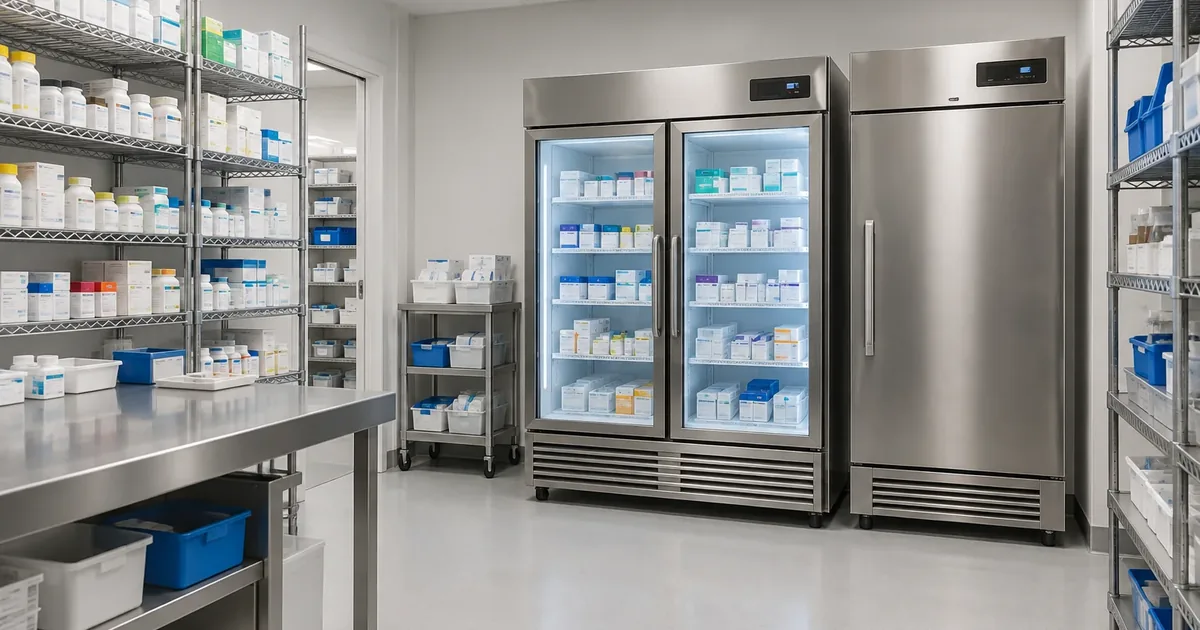
Joint Commission Medication Storage Temperature Findings and How to Close Them
Learn the most common Joint Commission medication storage temperature findings and how to close them with corrective action steps and continuous monitoring.
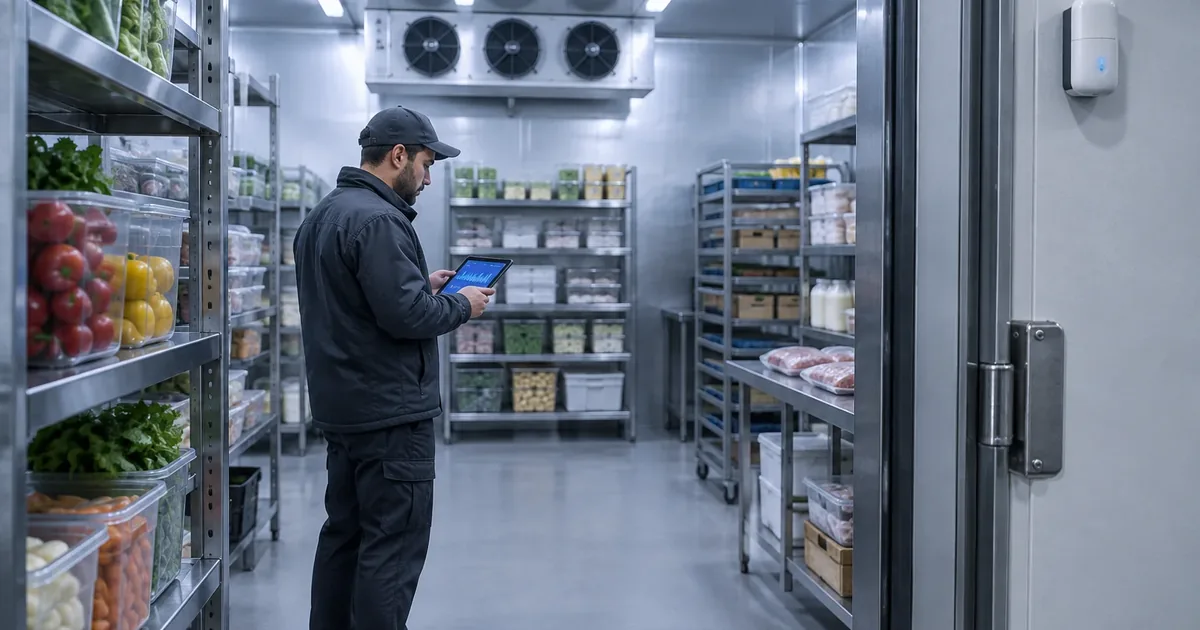
Sensor Drift Is Predictable, Which Is Why Annual-Only Calibration Leaves a Gap
Sensor drift is predictable, which is why annual-only calibration leaves a gap between checks. See how continuous monitoring closes it.

Cooler and Freezer Monitoring for Small Meat Processors
School holidays shouldn’t require driving up to check walk-in temps. Reduce manual checks and ensure compliance with remote temperature monitoring solutions.
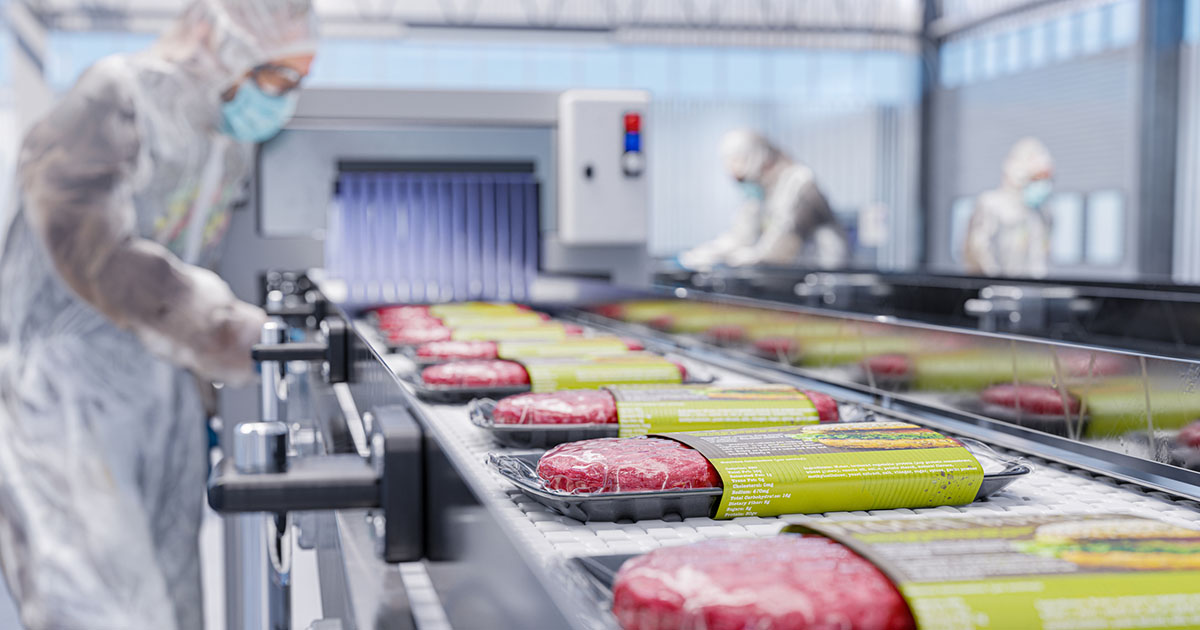
The True Cost of Refrigeration Downtime in Food Manufacturing
School holidays shouldn’t require driving up to check walk-in temps. Reduce manual checks and ensure compliance with remote temperature monitoring solutions.
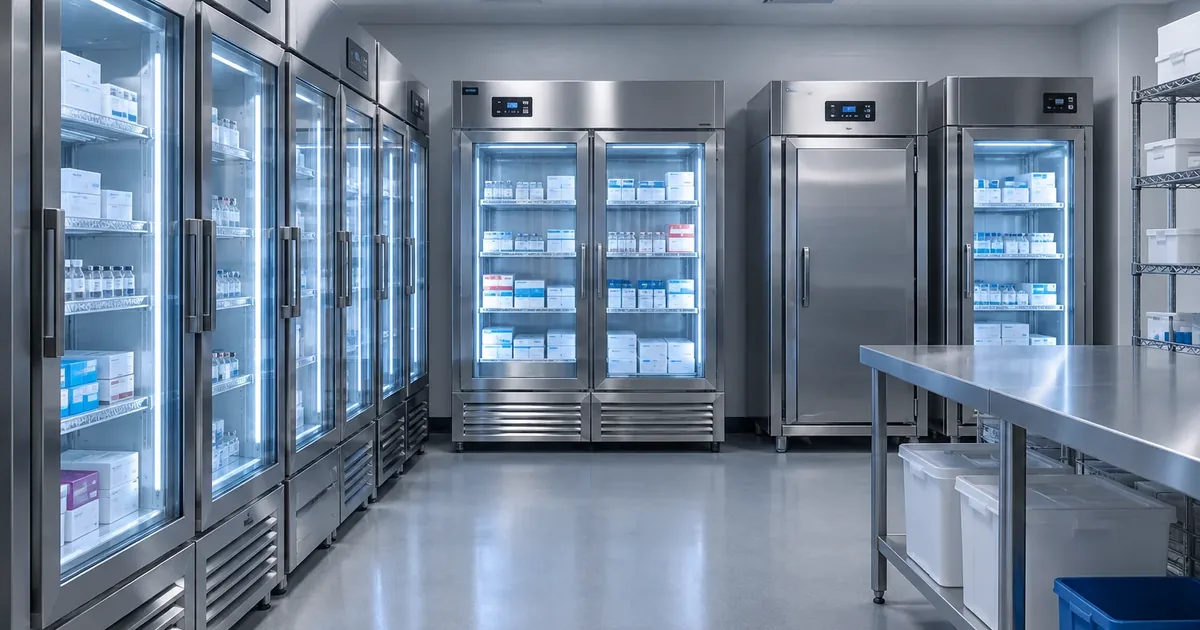
Vaccine Refrigerator Out of Range Overnight: The CDC Excursion Steps Before You Discard
A vaccine refrigerator out of range overnight doesn't always mean discarding doses. Follow the CDC-aligned steps, then prevent the next excursion.
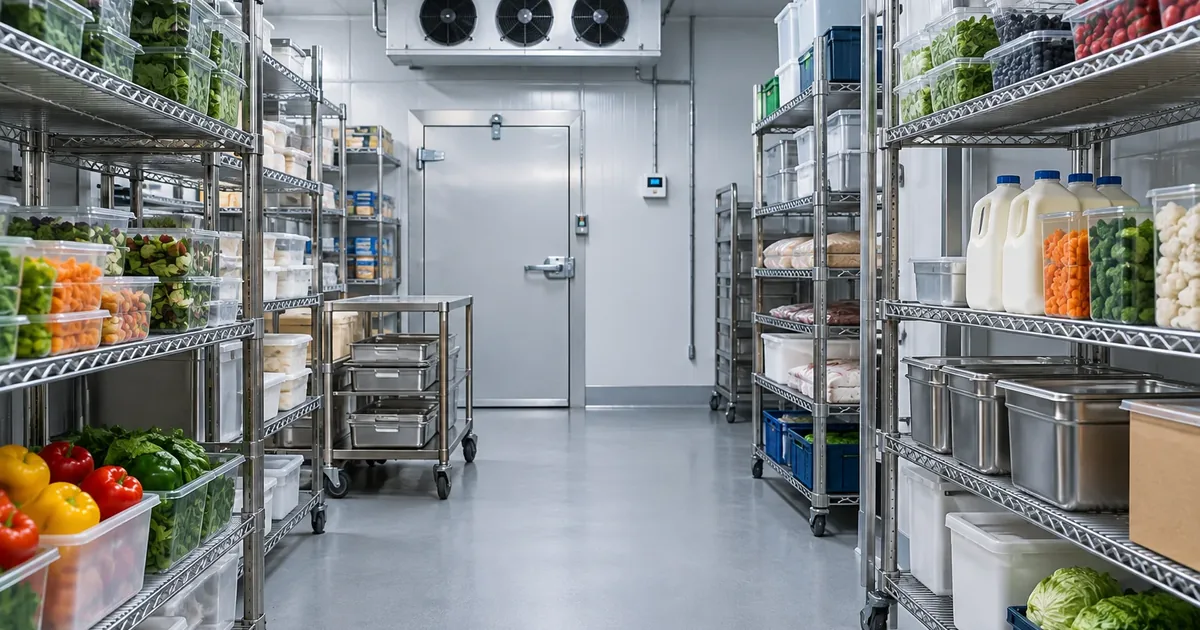
Your Sensor and Your Thermometer Disagree by Ten Degrees: Which One Is Right
If your sensor and your thermometer disagree by ten degrees, learn what causes the gap and how to fix inaccurate temperature readings.
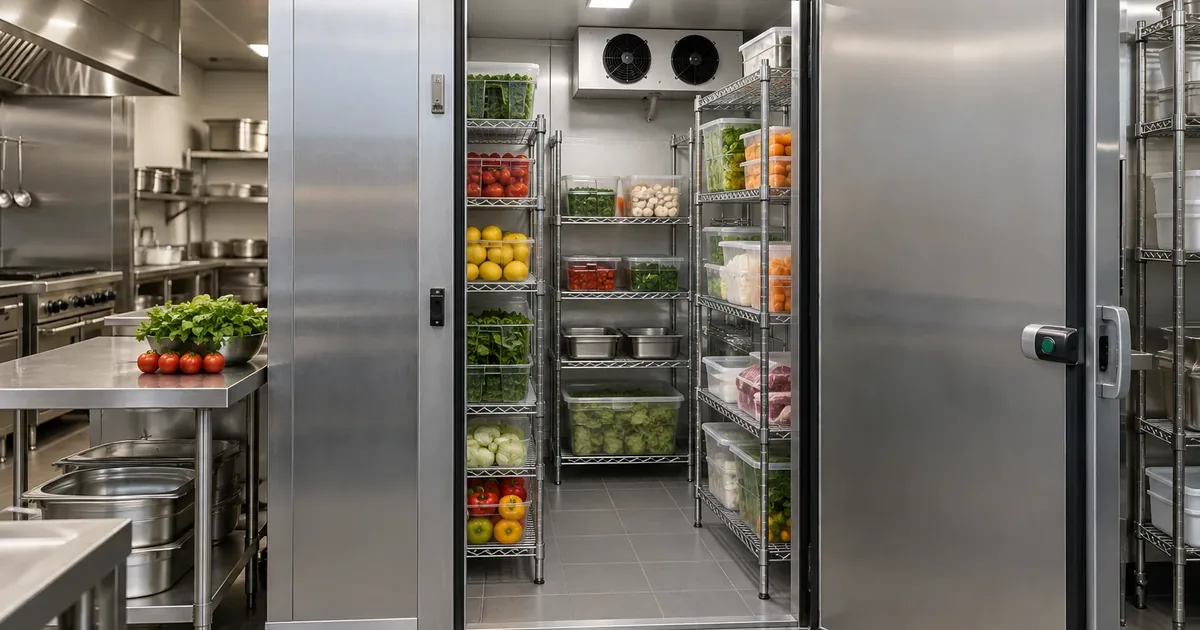
A Customer Got Sick and You Cannot Prove the Cooler Held: What Records Would Have Shown
A customer got sick and you cannot prove the cooler held? Learn what temperature records protect your restaurant during a health department investigation.
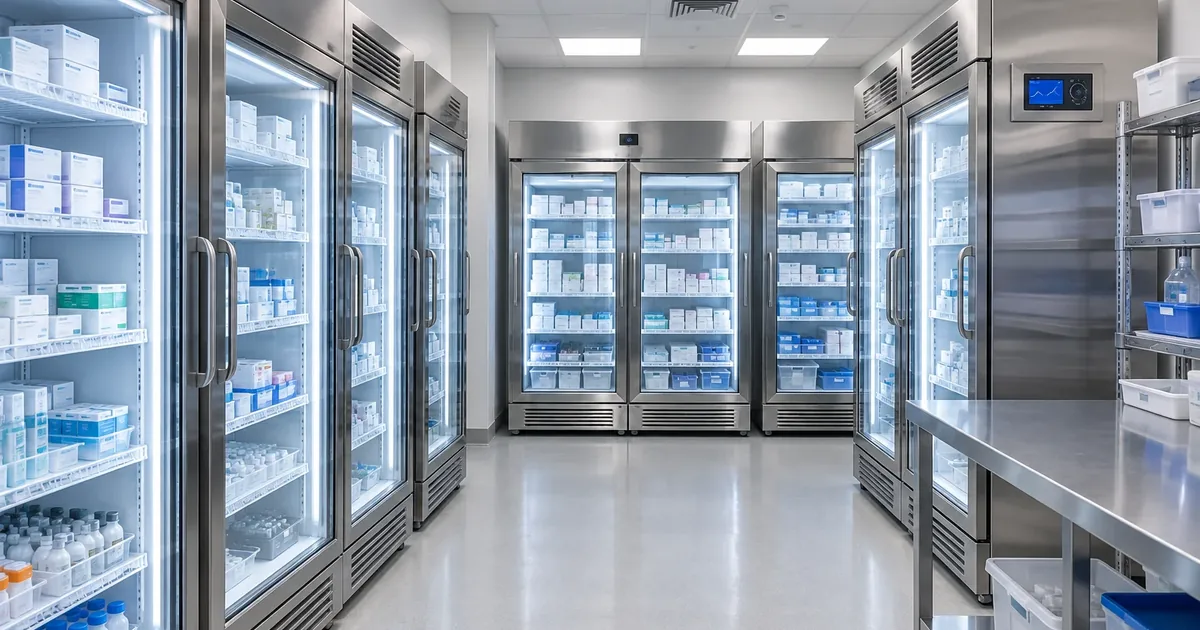
NIST-Traceable Calibration Certificates: How to Read One and What to Keep
Learn how to read a NIST-traceable calibration certificate: what it must include, how long it's valid, and how to verify it before your next audit.

Everything You Need to Know About Modern Freezer Temperature Loggers
School holidays shouldn’t require driving up to check walk-in temps. Reduce manual checks and ensure compliance with remote temperature monitoring solutions.
