Vaccine Temperature Monitoring
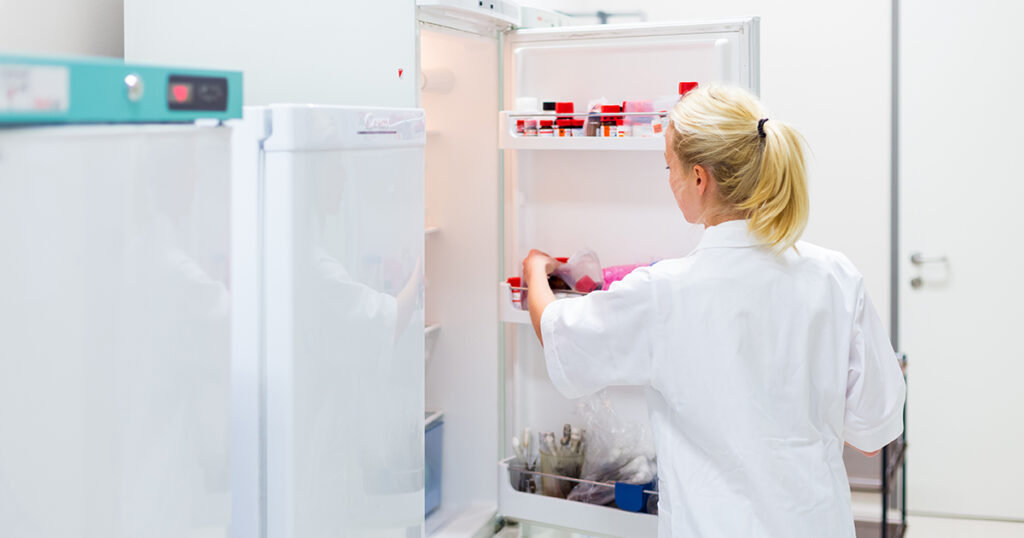
Swift Sensors vaccine temperature monitoring watches every vaccine refrigerator and freezer around the clock. Buffered probe sensors log each reading to the Swift Sensors Cloud Console, and the moment a unit drifts outside 2 °C to 8 °C, your team gets an instant alert, so doses can be protected before they are lost and every day’s record is already written.
Let's Get Started
Ask a Question • Get a Quote • Request a Demo
Vaccine Temperature Monitoring, Alerts, and Logs
Vaccines lose potency quietly. A refrigerator that warms past 8 °C overnight, or dips below freezing after someone adjusts the thermostat, shows no visible sign, and a vaccine refrigerator thermometer read at the start of the day only shows where the temperature is at that moment, not where it went while the office was closed. By the time an excursion is found, the doses may need to be set aside while the manufacturer or your VFC program is contacted.
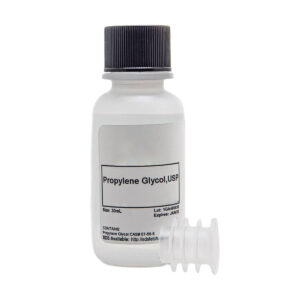
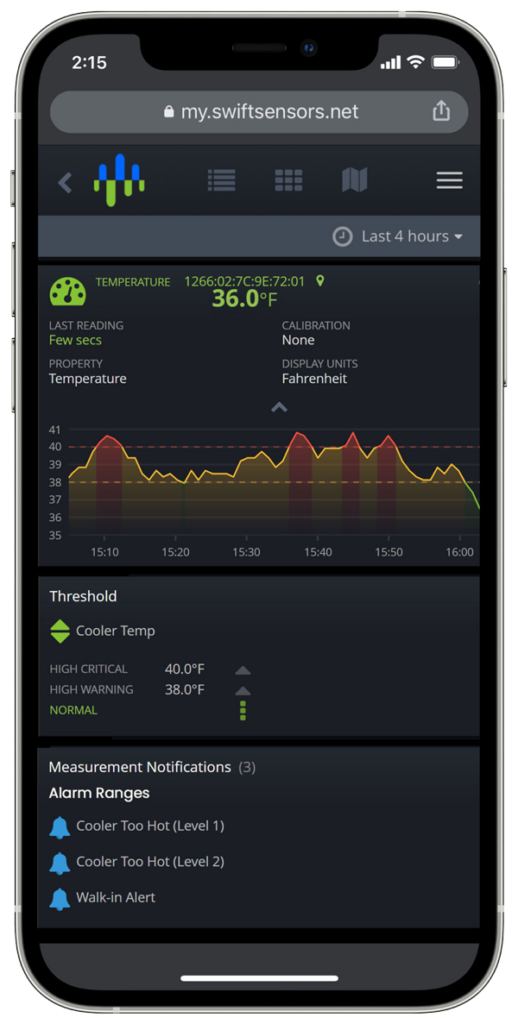
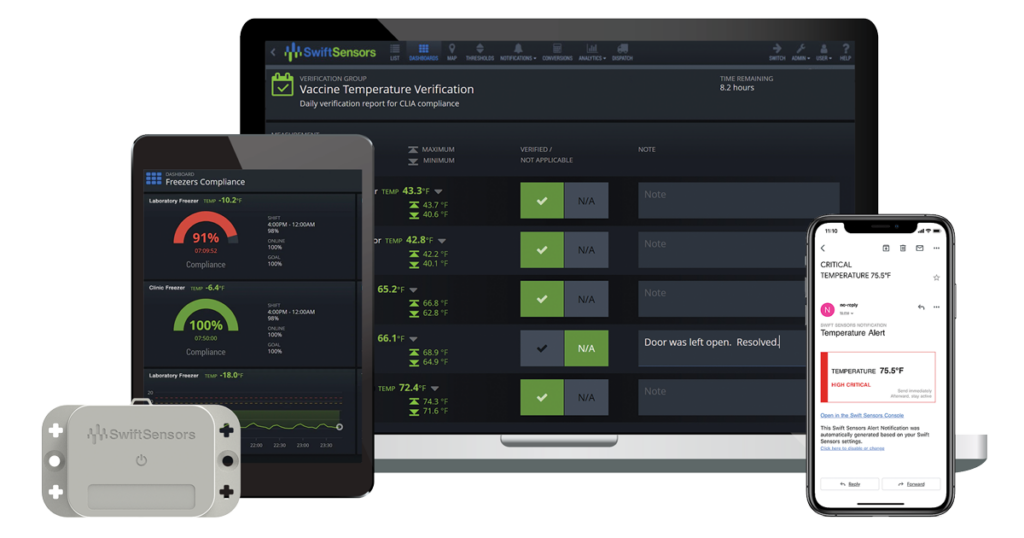
Swift Sensors closes that blind spot with continuous data. A wireless probe sensor, buffered in glycol or aluminum, sits inside each vaccine refrigerator and freezer and reports through a gateway to the Swift Sensors Cloud Console. Readings are logged automatically at an interval you set, alerts go out via email, SMS, or phone call when a unit moves out of range, and the Daily Extremes report captures each unit’s minimum and maximum temperatures every day.
Swift Sensors works alongside the onboard temperature display, local alarm and digital data logger your storage units and VFC program require. It adds remote monitoring on any device, SMS, email and voice alerts, and compliance reports, and it does not replace them. The result is vaccine storage temperature monitoring that keeps working nights, weekends and holidays, with up to 5 years of history for every unit in every location.
Vaccine Monitoring Benefits
- Easy-To-Deploy Wireless Sensors
- Instant Critical Mobile Alerts
- Enterprise Cloud Monitoring Software
- Low-Cost Straightforward Monitoring Plan
- Robust Analytics and Compliance Reports
Remote Monitoring
System Components
Protect Your Patients & Your Reputation
Swift Sensors is an easy-to-deploy, scalable monitoring and alerts solution driven by wireless sensors. Send instant alerts via email, SMS, or phone call for events that require immediate corrective action. Protect your business and your reputation from avoidable downtime, loss of assets, and preventable regulatory challenges.
Exceptional Return on Investment
Weiss Medical saved thousands of dollars in medications when Swift Sensors alerted staff of a power failure. View case study.
Example: two refrigerators and a freezer
- $1,610 Year 1: Hardware, NIST Calibration, Monitoring Plan
- $775 Year 2: Annual NIST Calibration, Monitoring Plan
- $775 Year 3: Annual NIST Calibration, Monitoring Plan
Compare to potential expenses:
- Lost vaccines and medications
- Lost irreplaceable patient biosamples
- Lost accreditation and reputation
- Regulatory fines and resubmissions
- Time and labor for manual temperature logging
- Legal fees from lost materials or service disruptions
Vaccine Storage Monitoring for Every Provider
Clinics and Practices
Vaccine fridge monitoring for primary care, pediatric and specialty offices, with alerts that reach staff after hours, when most excursions go unnoticed.
Pharmacies
Retail and hospital pharmacies monitor every vaccine refrigerator and freezer from one Cloud Console, with daily reports that sit beside their required temperature logs.
Health Departments
Public health departments watch vaccine depots, clinic refrigerators and outreach storage from one Cloud Console, with alerts that reach staff nights and weekends.
Multi-Site Providers
Provider networks and clinic groups see every storage unit across locations on one screen, with thresholds and alert lists set for each site.
Best Wireless Sensors For Vaccine Storage
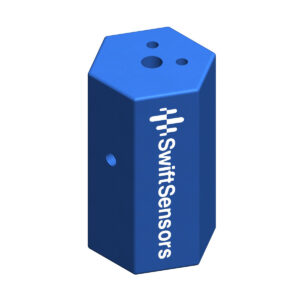
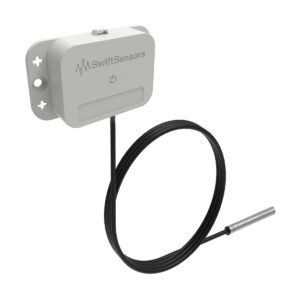
Vaccine storage units need a sensor that reads what the vaccine experiences, not the air that rushes in every time the door opens. The SS3-105S places a 1 m stainless steel probe inside the unit, measures -40 °C to +125 °C with 0.15 °C accuracy, and records at an inspection rate you set from 1 to 30 minutes (default 5). Seat the probe in the SS-TB1-120 glycol thermal buffer bottle or the SS-TB3 aluminum thermal buffer, the kind of buffered probe the CDC has long recommended, so a busy clinic day does not trigger false alarms. The system works alongside the vaccine fridge data logger in each unit and adds alerts it cannot send. For ultra-cold vaccine freezers, the SS3-110 probe reads down to -100 °C.
NIST Calibration Services
Swift Sensors offers NIST Calibration services through an independent ANAB ISO 17025: 2017 accredited laboratory. Swift Sensors manages all calibration logistics prior to initial sensor delivery and ensures seamless annual calibration renewal.
Testimonials
FAQ
What is a VFC data logger?
It is the term providers use for a digital data logger that meets the Vaccines for Children program’s expectations. As summarized on the Swift Sensors regulatory compliance page, the CDC expects a calibrated logger in every vaccine storage unit, a buffered temperature probe rather than an air probe, readings recorded at least every 30 minutes, storage for at least 4,000 readings, a backup logger on hand, and records kept for at least 3 years. Each state VFC program administers these rules, so confirm the details with your program coordinator.
Can Swift Sensors serve as a digital data logger for vaccines?
Not as a replacement. Swift Sensors works alongside the onboard temperature display, local alarm and digital data logger your VFC program requires, and keeps them in place. What it adds is remote monitoring on any device, SMS, email and voice alerts the moment a unit leaves range, the Daily Extremes report and other compliance reports, and up to 5 years of reading history in the Cloud Console. Your program-approved logger documents each unit; Swift Sensors tells your team about a problem while there is still time to act.
What temperature should a vaccine refrigerator hold?
The CDC Vaccine Storage and Handling Toolkit calls for refrigerated vaccines to stay between 2 °C and 8 °C (36 °F and 46 °F) and frozen vaccines at -15 °C (5 °F) or colder. Some products carry their own manufacturer ranges, including ultra-cold vaccines. Set each sensor’s thresholds to the range on the product labeling and your program’s instructions, and Swift Sensors alerts your team the moment a unit leaves it.
Is a vaccine refrigerator thermometer enough?
A thermometer shows the temperature when someone looks at it. It cannot tell you that the unit warmed for three hours overnight and recovered before morning. The CDC toolkit points providers toward digital data loggers with buffered probes for that reason. Continuous monitoring adds the piece a logger alone does not: an alert while there is still time to move the vaccine.
How does remote vaccine monitoring handle after-hours problems?
Alerts go out via email, SMS, or phone call as soon as a reading crosses the threshold, whether the office is open or not, and can be sent to individuals or groups. The Console can be viewed on any mobile device, with readings as often as every minute. If the internet connection drops, the gateway stores readings as long as it has power and uploads them on reconnection, so when you report an excursion you can show exactly when it started, how far it went and when it ended.
Does Swift Sensors monitor vaccine freezers as well as refrigerators?
Yes. The same system covers vaccine refrigerators, standard vaccine freezers and ultra-cold freezers. The SS3-105S probe reads down to -40 °C, which covers refrigerated and standard frozen storage, and the SS3-110 ultra-low probe reads down to -100 °C for vaccines that ship and store ultra-cold. Each unit gets its own thresholds and alert list in the Console.
How does the Swift Sensors system work?
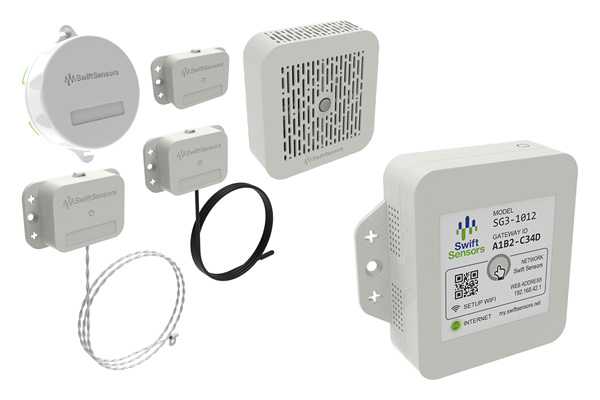
A Swift Sensors system requires the purchase of at least one gateway, at least one sensor, and a monitoring plan.
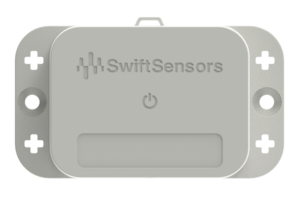
- Swift Sensors wireless sensors measure temperature, humidity, door activity, water leaks and other critical conditions. Each sensor is smaller than a credit card and has battery life of 6-8 years. The sensor transmits data via Bluetooth 5 (BLE5) and connects to the gateway with a push of a button.
- The gateway receives data from each sensor and then transmits the data to the cloud console via local ethernet, WiFi, or cellular network (optional module). Each gateway supports up to 150 sensors within 100 m line of sight (30 m non line of sight).
- The monitoring plan is very simple. The fee is based on the number of sensors you deploy. You can pay monthly, annually, or multi-year. There are no contracts required. View real-time analytics, download compliance reports, and receive instant mobile alerts on any device.
What is the signal range of the sensors?
The sensor range is up to 100 m line of sight and 30 m non line of sight depending on the facility infrastructure and equipment located between the sensor and the gateway. The sensors use the BLE5 wireless communication protocol which allows signal transmission through doors and walls constructed of standard building materials.
What is the battery life of the sensors?
Each sensor uses two AAA lithium polymer batteries with an average lifespan of 6-8 years. Replacement batteries are readily available at hardware stores and various retail locations.
How does the monitoring plan work?
The monitoring plan is very simple. The fee is based on the number of sensors you deploy. You can pay monthly, annually, or multi-year. There are no contracts required.
What is the Swift Sensors Console?
The Swift Sensors Console is a robust cloud-based monitoring, alerts, and reporting platform viewable remotely on any device. The Console is used for hardware setup and system configuration. The Console presents analytics that provide trend analysis, historical documentation, compliance reporting, and deep insights into equipment performance, facility operations, and environmental conditions. The platform is customizable and adaptable to any industry with unparalleled ability to search, filter, sort and view critical measurement and performance data. Configurable instant alerts enable immediate corrective actions when significant events occur. Alerts can be sent to individuals or groups via SMS text, email, or voice.
What about system security?
The Swift Sensors monitoring, alerts, and reporting platform was developed and is maintained by industry experts with extensive experience in network security. Sensor to gateway communication utilizes BLE5 and 128-bit AES encryption. Gateway to cloud Console communication utilizes ethernet, WiFi, or cellular (optional module) and 256-bit AES encryption. Data is securely transmitted over Secure Sockets Layer (SSL) on port 443. The Swift Sensor network does not allow any outside communication. As a result, the Swift Sensor network is incredibly secure.
Can I buy just the sensors?
Swift Sensors only communicate with Swift Sensors gateways. Swift Sensors gateways only communicate with the Swift Sensors Console. The Swift Sensor network does not allow any outside communication. As a result, the Swift Sensor network is incredibly secure. The Swift Sensor Console, however, features a robust API which can be utilized to communicate with 3rd-party applications.
Insights, Innovations
and Installations
Digital Data Loggers for Vaccine Storage
The CDC Vaccine Storage and Handling Toolkit is the reference most providers work from, and for practices enrolled in the Vaccines for Children program its vaccine storage and handling guidelines become program rules. At the center of those rules is the digital data logger: a calibrated device that records temperatures continuously so a provider can show, not just state, that vaccines stayed in range. A VFC data logger is a vaccine data logger that satisfies the program’s expectations.
What a VFC digital data logger must do
As summarized in the CDC toolkit and on the Swift Sensors compliance page:
Sit in every vaccine storage unit
With a calibrated backup logger available at all times.
Read through a buffered temperature probe
Since an air probe reacts to every door opening.
Record readings at least every 30 minutes
And store at least 4,000 readings.
Show current, minimum and maximum temperatures
On a display outside the unit, readable without opening the door.
Sound an alarm at the unit
When the temperature goes out of range.
Support temperature records
Kept for at least 3 years.
Swift Sensors does not replace the stand-alone digital data logger your program requires. It works alongside that logger and the unit’s onboard display and alarm, and adds what they cannot do from the clinic floor:
- Remote monitoring of every unit from any device, including a phone
- Instant alerts via email, SMS, or phone call, sent to individuals or groups
- A Daily Extremes report of each unit's minimum and maximum temperatures, plus other compliance reports on demand
- Up to 5 years of reading history in the Swift Sensors Cloud Console
Buffered probes and NIST Calibration through an independent ANAB ISO 17025:2017 accredited laboratory keep that second record accurate. A stand-alone logger documents an excursion after it happens; Swift Sensors gives your team time to save the vaccine.
How to Choose a Vaccine Monitoring System
Vaccine temperature monitoring devices range from the stand-alone logger a VFC program requires in every unit to a connected system that alerts in real time. For enrolled providers the logger is not optional, so the real question is which vaccine monitoring system to run alongside it. The answer depends on how many units you run, who is on call after hours, and what your immunization program asks you to document. Work through these questions before you request quotes.
What to ask before you buy
Does it alert, or only record?
A logger documents an excursion after it happens. Real-time alerts give you the chance to move the vaccine.
Is the probe buffered?
Glycol or aluminum buffers keep door openings from reading as excursions.
How are the daily checks handled?
Look for an automated daily report of each unit’s minimum and maximum temperatures, so staff review a report instead of transcribing a display.
Where does the history live, and for how long?
Records stored in the cloud do not depend on someone remembering to download a device.
Is calibration traceable and renewed on schedule?
Ask where calibration is performed and whether the lab is ISO 17025 accredited.
Will it grow with you?
Multi-site providers should see every location in one account.
Swift Sensors is built around those answers. Wireless, battery-powered probe sensors go into each vaccine refrigerator and freezer without wiring, alongside the logger, display and alarm already in the unit. Readings flow to the Swift Sensors Cloud Console, where you set thresholds per unit, choose who is notified, review the Daily Extremes report and download compliance reports for your program. That is vaccine storage temperature monitoring designed to protect the doses on your shelves and the records behind them.
Related Monitoring Solutions
See Swift Sensors on Your Vaccine Refrigerators
Share how many vaccine refrigerators and freezers you need to cover. A Swift Sensors specialist will follow up with a quote, a walkthrough of the Cloud Console, or answers to your questions.
- Wireless sensors that install without running wire
- Alerts by email, SMS or phone call, with escalation
- Monitoring plan billed monthly, annually or multi-year, no contracts
- NIST calibration through an ANAB ISO 17025 accredited lab
Prefer to talk? Call 512-256-7552
Ask a Question • Get a Quote • Request a Demo