Blood Bank Temperature Monitoring
Let's Get Started
Ask a Question • Get a Quote • Request a Demo
Blood Bank Temperature Monitoring and Alerts
Blood products leave very little room for error. A blood bank refrigerator that drifts a few degrees overnight, a plasma freezer door that does not latch, or a weekend power event can put an entire inventory into quarantine before anyone opens the unit. Paper logs and a once-per-shift look at the front-panel display tell you what happened after the fact, not while there is still time to move product.
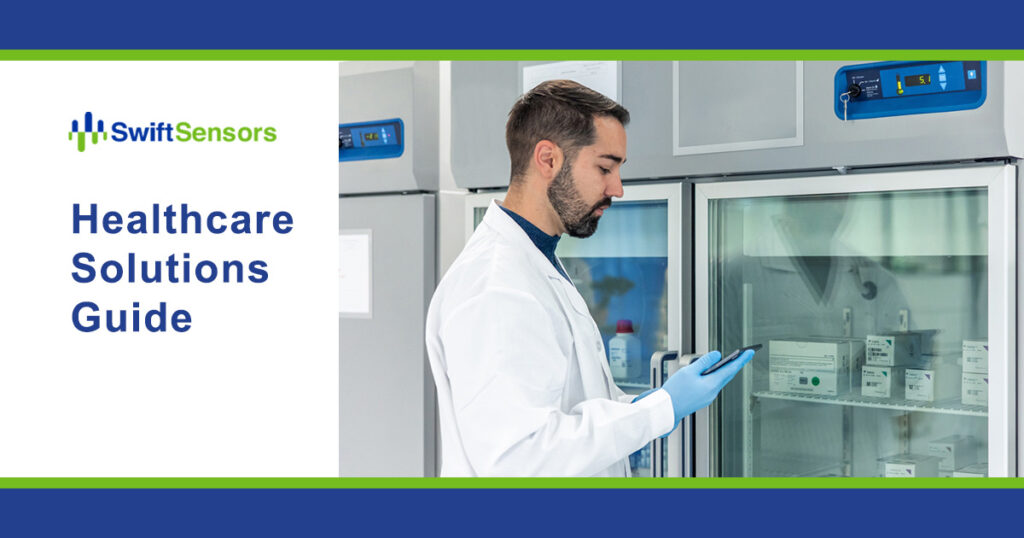
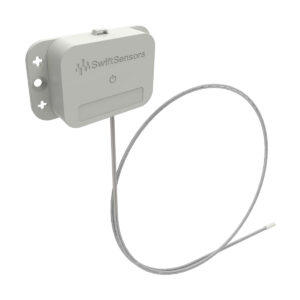
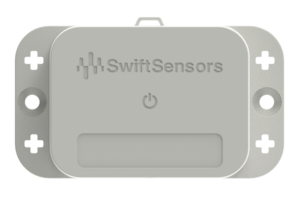
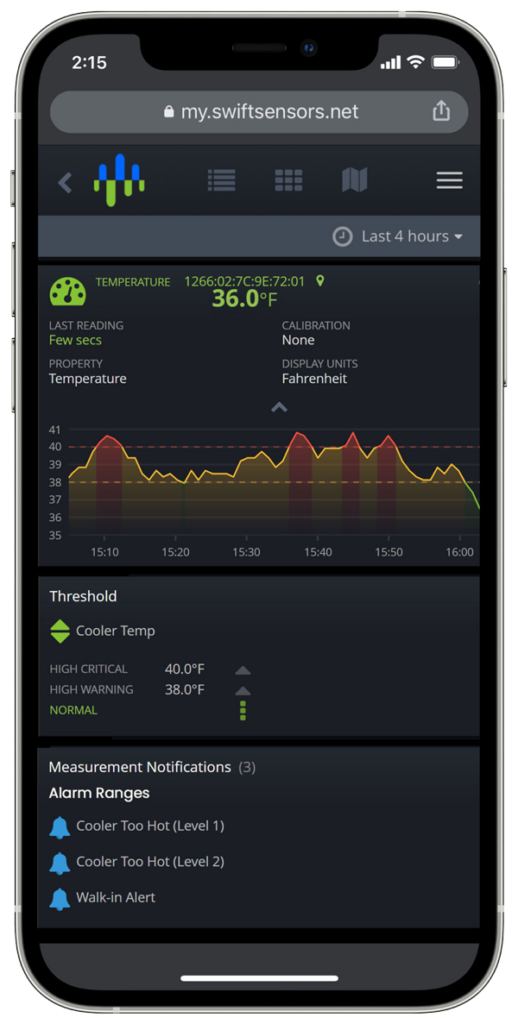
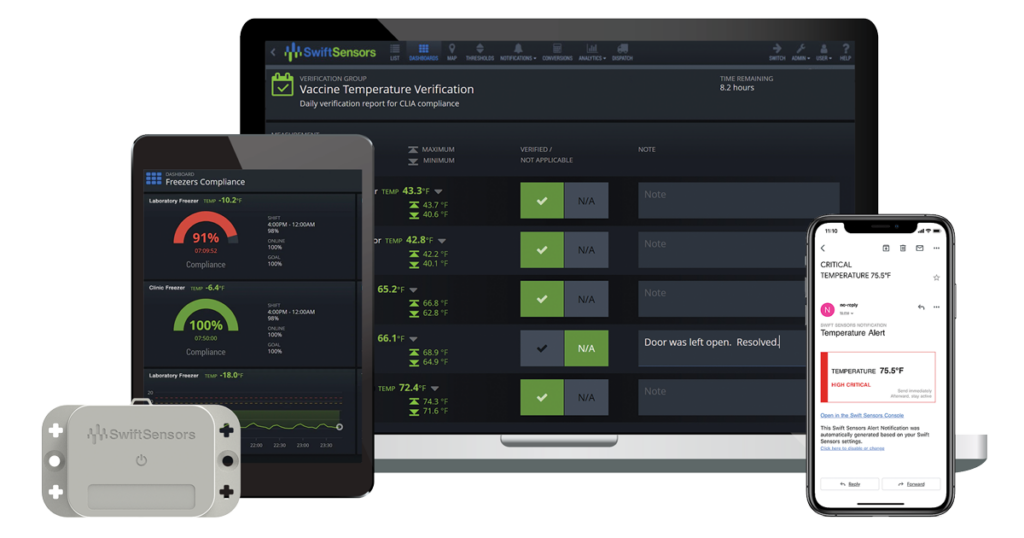
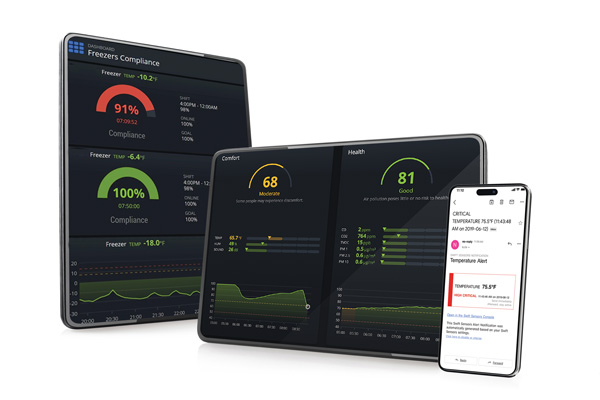
Swift Sensors blood bank temperature monitoring closes that gap. Wireless sensors with external probes read every refrigerator, plasma freezer, platelet incubator and transport cooler around the clock, and a gateway sends the data to the Swift Sensors Cloud Console. The moment a reading moves out of range, instant alerts go out via email, SMS, or phone call to the people on your response list, and escalate to the next tier if the first contact does not respond. Every reading is stored automatically for up to 5 years, so the temperature history your hospital transfusion service needs for an AABB assessment, an FDA inspection or a CAP checklist review is ready to export instead of rebuilt from binders.
The system installs without running wire, works alongside the alarms already built into your blood storage equipment, and scales from a single hospital blood bank to a blood center with several sites, all visible on one screen. That is blood bank monitoring that stays on duty when your staff are off the floor.
- Easy-To-Deploy Wireless Sensors
- Instant Critical Mobile Alerts
- Enterprise Cloud Monitoring Software
- Low-Cost Straightforward Monitoring Plan
- Robust Analytics and Compliance Reports
Remote Monitoring
System Components
Protect Your Patients & Your Reputation
Swift Sensors is an easy-to-deploy, scalable monitoring and alerts solution driven by wireless sensors. Send instant alerts via email, SMS, or phone call for events that require immediate corrective action. Protect your business and your reputation from avoidable downtime, loss of assets, and preventable regulatory challenges.
Exceptional Return on Investment
Weiss Medical saved thousands of dollars in medications when Swift Sensors alerted staff of a power failure. View case study.
Example: two refrigerators and a freezer
- $1,610 Year 1: Hardware, NIST Calibration, Monitoring Plan
- $775 Year 2: Annual NIST Calibration, Monitoring Plan
- $775 Year 3: Annual NIST Calibration, Monitoring Plan
Compare to potential expenses:
- Lost vaccines and medications
- Lost irreplaceable patient biosamples
- Lost accreditation and reputation
- Regulatory fines and resubmissions
- Time and labor for manual temperature logging
- Legal fees from lost materials or service disruptions
Blood Bank Monitoring for Every Storage Unit
Blood Bank Refrigerators
Probe sensors track whole blood and red cell refrigerators continuously, so busy-hour door openings and slow compressor drift are caught before units go into quarantine.
Plasma Freezers
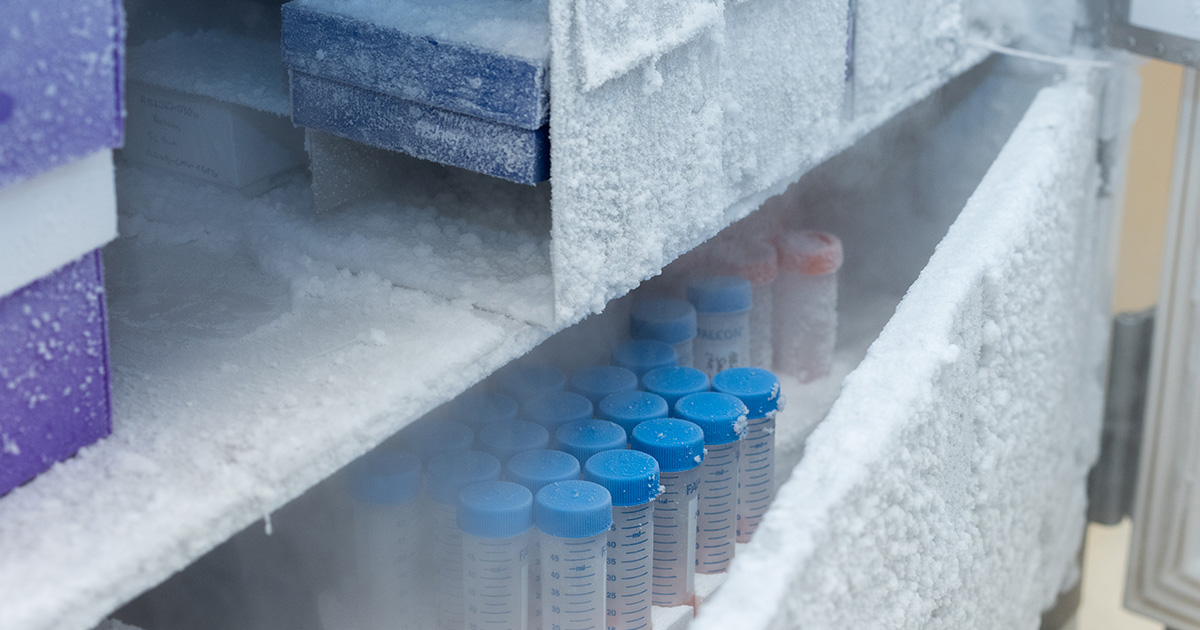
Blood bank freezer monitoring flags warming events, open doors and defrost swings early, protecting frozen plasma and cryoprecipitate held at -18 °C or colder.
Platelet Storage
Platelet inventory is short-dated and high value. The SS3-105S probe sensor reads inside platelet incubators and alerts staff the moment a reading leaves 20 °C to 24 °C.
Transport and Issue
Coolers, pass-through windows and staging points are easy blind spots. Wireless sensors extend monitoring past primary storage to wherever blood products wait.
Best Wireless Sensors For Blood Banks
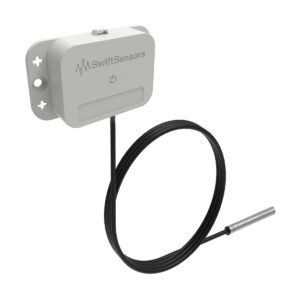
Blood bank refrigerators and freezers hold products with narrow, published storage ranges, so the sensor needs to read conditions inside the unit, not just the room around it. The SS3-105S places a 1 m stainless steel probe inside the cabinet, reads from -40 °C to +125 °C with 0.15 °C accuracy, and covers refrigerators, standard plasma freezers and platelet incubators, where it is the recommended sensor. Pair it with the SS-TB1-120 glycol thermal buffer bottle so a door opening during a busy issue period does not set off a false alarm. For ultra-low freezers holding long-term plasma or research samples, the SS3-110 probe reads down to -100 °C. The SS3-101 watches ambient temperature and humidity in staging areas. Thresholds, schedules and alerts are set per unit in the Cloud Console.
NIST Calibration Services
Swift Sensors offers NIST Calibration services through an independent ANAB ISO 17025: 2017 accredited laboratory. Swift Sensors manages all calibration logistics prior to initial sensor delivery and ensures seamless annual calibration renewal.
Testimonials
FAQ
What is the correct blood bank storage temperature?
It depends on the component. Widely published ranges from FDA regulations and AABB standards are 1 °C to 6 °C for whole blood and red blood cells, -18 °C or colder for frozen plasma, and 20 °C to 24 °C with continuous gentle agitation for platelets. Your blood storage temperature requirements are set by your own procedures, the product labeling and your accrediting body, so configure each sensor’s thresholds to match those documents rather than a generic range.
What is the plasma storage temperature in a blood bank?
Frozen plasma is widely stored at -18 °C or colder, and many facilities set a tighter internal target for long-term storage. Monitoring matters most during door openings, defrost cycles and power events, when a plasma freezer can warm faster than a manual check would catch. Swift Sensors probe sensors read inside the freezer and alert your team as soon as the temperature crosses the threshold you set.
Does blood bank refrigerator monitoring replace the unit's built-in alarm?
No, and it should not. Most blood storage equipment has a local alarm that sounds at the unit. Swift Sensors adds an independent, remote layer: readings go to the Cloud Console, and alerts reach staff by email, SMS, or phone call even when nobody is standing next to the refrigerator. That second path matters most overnight, on weekends and in rooms that are not staffed around the clock.
How does monitoring help with AABB and FDA documentation?
Assessors and inspectors commonly review temperature records and how excursions were handled. Swift Sensors logs every reading automatically, keeps up to 5 years of history in the Cloud Console and produces compliance reports on demand, including the Daily Extremes report of each unit’s minimum and maximum temperatures. Staff can attach notes to the measurement graph, the alert record and the alert acknowledgement, so the corrective action sits beside the excursion it answers. Monitoring supports your quality program; it does not replace your written procedures or your accrediting body’s requirements.
How do you avoid false alarms from door openings?
Blood bank refrigerators are opened constantly during crossmatching and issue. A glycol or aluminum thermal buffer around the probe smooths out brief air temperature swings so the reading reflects the product, not the open door. In the Cloud Console you can also set thresholds, schedules and alert delays per unit, so staff respond to real excursions instead of learning to ignore alerts.
Can one system cover several blood storage locations?
Yes. Each gateway supports up to 150 sensors, and multiple gateways and sites report into the same Swift Sensors Cloud Console. A hospital transfusion service, satellite storage refrigerators in surgery or emergency departments, and a separate donor center can all be viewed, sorted and reported on from one account, with alerts routed to the right team for each location.
How does the Swift Sensors system work?
A Swift Sensors system requires the purchase of at least one gateway, at least one sensor, and a monitoring plan.
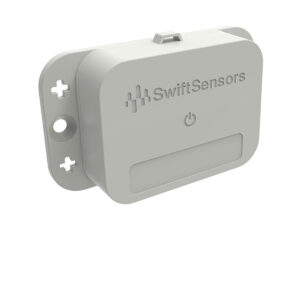
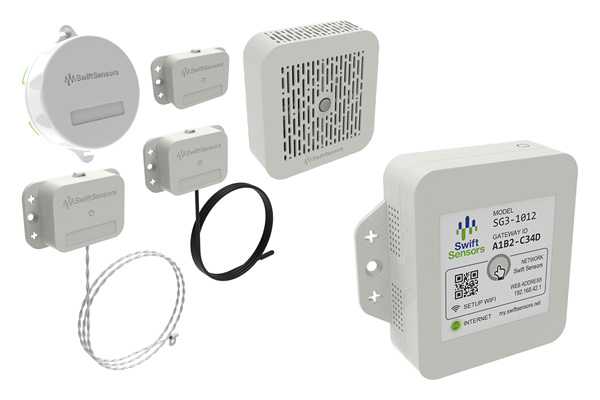
- Swift Sensors wireless sensors measure temperature, humidity, door activity, water leaks and other critical conditions. Each sensor is smaller than a credit card and has battery life of 6-8 years. The sensor transmits data via Bluetooth 5 (BLE5) and connects to the gateway with a push of a button.
- The gateway receives data from each sensor and then transmits the data to the cloud console via local ethernet, WiFi, or cellular network (optional module). Each gateway supports up to 150 sensors within 100 m line of sight (30 m non line of sight).
- The monitoring plan is very simple. The fee is based on the number of sensors you deploy. You can pay monthly, annually, or multi-year. There are no contracts required. View real-time analytics, download compliance reports, and receive instant mobile alerts on any device.
What is the signal range of the sensors?
The sensor range is up to 100 m line of sight and 30 m non line of sight depending on the facility infrastructure and equipment located between the sensor and the gateway. The sensors use the BLE5 wireless communication protocol which allows signal transmission through doors and walls constructed of standard building materials.
What is the battery life of the sensors?
Each sensor uses two AAA lithium polymer batteries with an average lifespan of 6-8 years. Replacement batteries are readily available at hardware stores and various retail locations.
How does the monitoring plan work?
The monitoring plan is very simple. The fee is based on the number of sensors you deploy. You can pay monthly, annually, or multi-year. There are no contracts required.
What is the Swift Sensors Console?
The Swift Sensors Console is a robust cloud-based monitoring, alerts, and reporting platform viewable remotely on any device. The Console is used for hardware setup and system configuration. The Console presents analytics that provide trend analysis, historical documentation, compliance reporting, and deep insights into equipment performance, facility operations, and environmental conditions. The platform is customizable and adaptable to any industry with unparalleled ability to search, filter, sort and view critical measurement and performance data. Configurable instant alerts enable immediate corrective actions when significant events occur. Alerts can be sent to individuals or groups via SMS text, email, or voice.
What about system security?
The Swift Sensors monitoring, alerts, and reporting platform was developed and is maintained by industry experts with extensive experience in network security. Sensor to gateway communication utilizes BLE5 and 128-bit AES encryption. Gateway to cloud Console communication utilizes ethernet, WiFi, or cellular (optional module) and 256-bit AES encryption. Data is securely transmitted over Secure Sockets Layer (SSL) on port 443. The Swift Sensor network does not allow any outside communication. As a result, the Swift Sensor network is incredibly secure.
Can I buy just the sensors?
Swift Sensors only communicate with Swift Sensors gateways. Swift Sensors gateways only communicate with the Swift Sensors Console. The Swift Sensor network does not allow any outside communication. As a result, the Swift Sensor network is incredibly secure. The Swift Sensor Console, however, features a robust API which can be utilized to communicate with 3rd-party applications.
Insights, Innovations
and Installations
Blood Bank Storage Temperature by Component
Blood storage temperature in the blood bank is not one number. Each component has its own range, and each range is tied to how that product degrades when it warms or cools. A blood bank refrigerator set up for red cells would ruin platelets, and a blood bank freezer that holds -18 °C comfortably can still warm past its limit during a long defrost or a door left ajar. That is why monitoring has to be set up per unit, with thresholds that match what is inside.
Blood product storage temperature ranges
The widely published blood product storage temperature ranges, which Swift Sensors customers use as a starting point for thresholds:
Whole blood and red blood cells
1 °C to 6 °C (34 °F to 43 °F), in a dedicated blood bank refrigerator.
Frozen plasma and cryoprecipitate
-18 °C (0 °F) or colder, in a plasma freezer, with many facilities targeting colder for long-term storage.
Platelets
20 °C to 24 °C (68 °F to 75 °F), with continuous gentle agitation.
Transport and short-term holding
Validated coolers and containers, checked against the range for the component inside.
These figures come from FDA regulations for blood components and AABB standards. Your facility’s written procedures, product labeling and accrediting body define the blood storage temperature requirements you are held to, and they may be tighter. Swift Sensors monitoring lets you enter those exact limits for every refrigerator, freezer and incubator, then records every reading against them so the evidence is there when an assessor asks.
How to Choose Blood Bank Temperature Monitoring
Most blood banks already have chart recorders or local alarms on their equipment. The question is whether anyone hears about a problem in time, and whether the record holds up when it is reviewed. Work through these questions before you request quotes.
What to ask before you buy
Does it alert remotely, or only at the unit?
A local alarm helps only when someone is in the room. Look for alerts by email, SMS, and phone call with escalation.
Is the probe inside the product environment?
Ambient sensors in the room miss what is happening in the cabinet. Probe sensors with a thermal buffer read what the blood product experiences.
Will it cover every temperature range you store?
Refrigerators, plasma freezers, platelet storage and any ultra-low freezer should report into one system.
Is the calibration traceable?
Ask where calibration is performed and whether the lab is ISO 17025 accredited.
How are records kept and exported?
Every reading should be stored automatically and exportable for an inspection without manual transcription.
What does installation disrupt?
Wired systems mean electricians and downtime near critical storage. Wireless sensors go in without either.
Swift Sensors is built around those answers. Battery-powered wireless probe sensors go into each blood bank refrigerator and freezer without conduit. Readings flow to the Swift Sensors Cloud Console, where you set thresholds per unit, choose who is notified and how alerts escalate through tiers, and pull up to 5 years of stored history whenever you need it. NIST Calibration is performed through an independent ANAB ISO 17025:2017 accredited laboratory at standard points from -50 °C to +150 °C, which spans blood bank refrigerators, plasma freezers and platelet storage. Other points, such as -80 °C, are available through an additional accredited lab, and Swift Sensors manages the recalibration schedule. The result is blood bank refrigerator monitoring that works around the clock, and a temperature record you do not have to rebuild the night before an assessment.
Related Monitoring Solutions
See Swift Sensors in Your Blood Bank
Share how many blood bank refrigerators, plasma freezers and platelet incubators you need to cover. A Swift Sensors specialist will follow up with a quote, a walkthrough of the Cloud Console, or answers to your questions.
- Wireless sensors that install without running wire
- Alerts by email, SMS or phone call, with escalation
- Monitoring plan billed monthly, annually or multi-year, no contracts
- NIST calibration through an ANAB ISO 17025 accredited lab
Prefer to talk? Call 512-256-7552
Ask a Question • Get a Quote • Request a Demo