
Automated temperature alerts and the food code meet at one question every inspector asks: does your system count as a valid record? The FDA Food Code accepts automated monitoring as documentation when it meets specific standards, and wireless temperature sensors give food service operations a defensible way to prove it.
By Kevin Keithley, Director of Marketing, Swift Sensors
How Automated Temperature Alerts and the Food Code Define a Valid Record
The FDA Food Code does not name a brand or a specific technology. It defines a performance standard: temperatures at required checkpoints, verified at required intervals, with a retrievable record and documented corrective actions when something goes wrong. That is the practical meaning of automated temperature alerts and the food code working together. A wireless monitoring system that produces continuous, time-stamped readings, flags an out of range condition, and keeps an audit trail supports the Food Code's intent, as long as someone reviews the data and signs off on what happened. Health inspectors are trained to evaluate records against that standard, not against whether the log was handwritten or generated by a sensor network. Most state and local health departments adopt the FDA Food Code with minor local amendments, so the exact wording your inspector applies may vary by jurisdiction; when in doubt, your local health department is the authority on how it is enforced in your area.
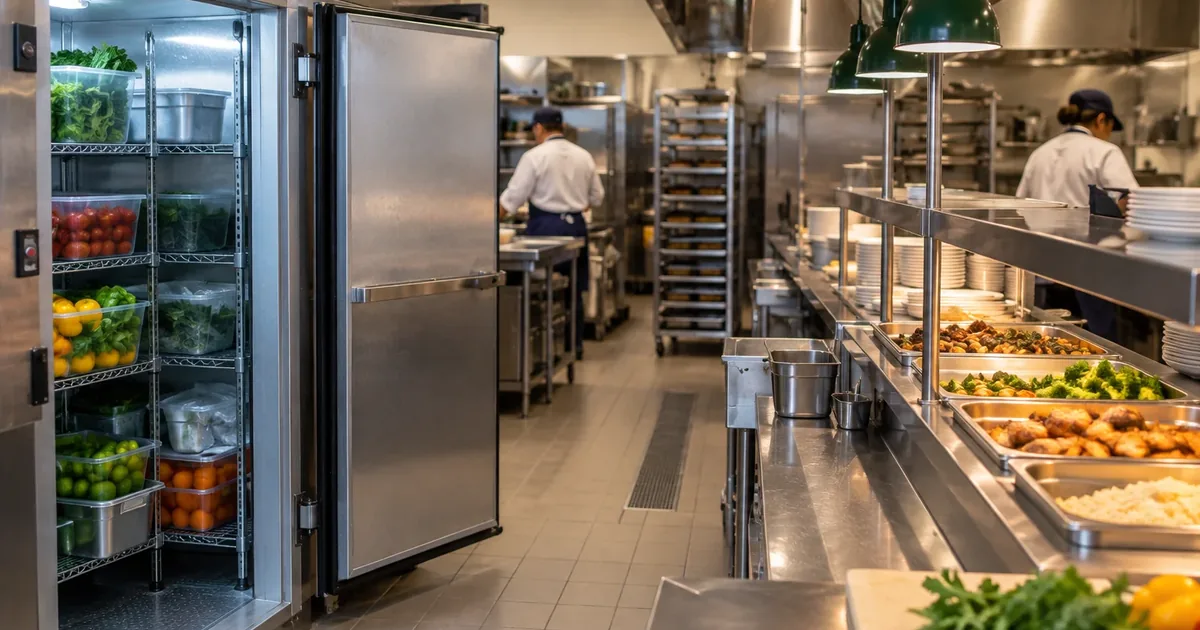
That performance based approach matters for food safety programs built around HACCP (Hazard Analysis and Critical Control Points), the federally recognized framework most food service and food processing operations use to identify where contamination or a temperature excursion is most likely to cause foodborne illness. The critical control points in a HACCP plan, walk-in coolers, cold storage rooms, hot holding units, cooling steps, are exactly where continuous, data-driven decisions replace a once a shift spot check.
What Counts as an Acceptable Temperature Log During a Health Inspection?
An inspector reviewing your temperature logs is looking for four things: the equipment or area monitored, the temperature recorded, the time it was recorded, and what corrective action was taken if a reading fell out of range. That holds whether the record lives on a paper clipboard or in a digital system.
Digital temperature logs are broadly accepted in place of paper, provided the records are accurate, retrievable on demand, and cover the required checkpoints: walk-in coolers and freezers, cold storage rooms, hot holding and cold holding units, prep areas, and any other can't fail assets your food safety plan identifies. Pulling up the Swift Sensors Cloud Console on a tablet, or printing a date range report on request, generally meets the show-me-the-record request inspectors work from. What an inspector will not accept is a gap: a log that shows no data during hours the kitchen was operating, or a system nobody on staff can actually retrieve when asked.
How Often Does the FDA Food Code Require Temperature Checks?
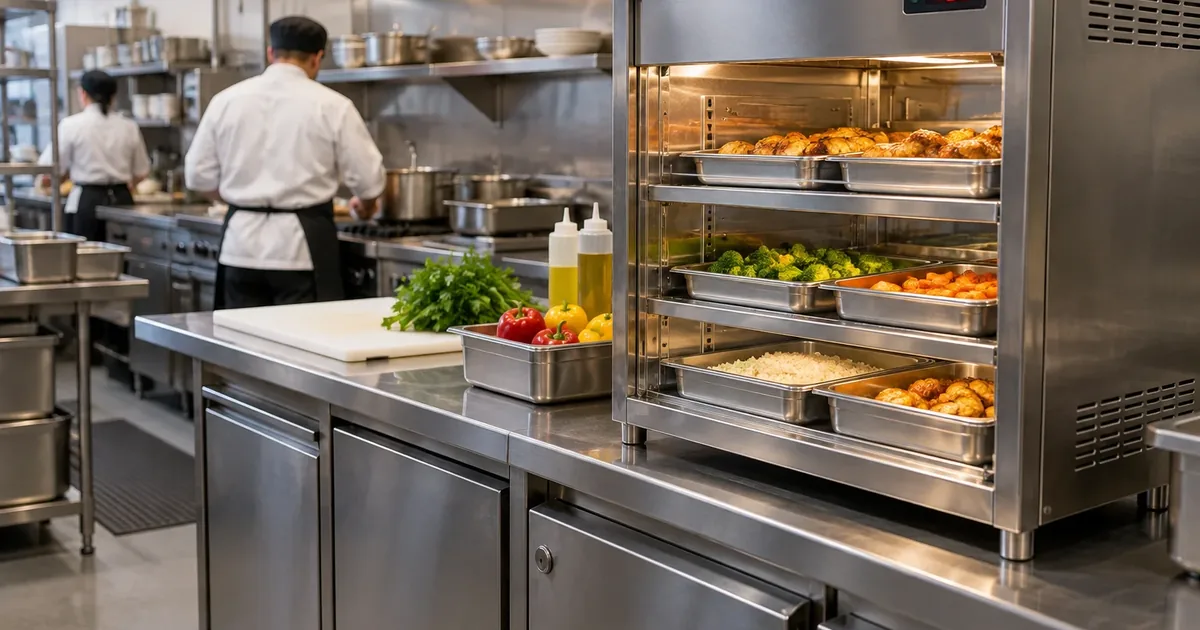
The Food Code does not set one universal number for every operation; the required frequency is tied to your HACCP plan and the equipment involved. Many operations check cold holding (41°F or colder) and hot holding (135°F or warmer) at least every four hours, and some jurisdictions and critical control points call for closer to continuous verification. Manual checks capture a single moment in time, so a reading that looks fine at the four hour mark says nothing about what happened in between.
Automated temperature alerts and the food code close exactly that gap. A monitoring system that checks temperatures every few minutes, rather than every few hours, exceeds the minimum frequency most jurisdictions require and gives your team real-time visibility instead of a snapshot. That is the difference between knowing a walk-in cooler is fine right now and knowing it stayed in range for the entire shift.
What Corrective Action Documentation Does an Inspector Expect When a Temperature Alert Fires?
An out of range reading is not itself a violation. An out of range reading with no documented response usually is. When a temperature excursion triggers an alert, an inspector generally wants to see what happened, when it happened, who was notified, what corrective action was taken (moved product to a working unit, adjusted or repaired equipment, discarded compromised inventory), and confirmation that the area returned to a safe range afterward.
Instant alerts via email, SMS, or phone call shorten the time between a problem starting and a person knowing about it, which is the biggest lever in that documentation trail. But the alert itself is not the corrective action. If staff do not respond to an alert in time, whether that is a slow acknowledgment, a missed message, or no one assigned to own the response, the gap between the alert firing and the correction happening becomes the story an inspector reads in the log. Pairing continuous food service temperature monitoring with a clear internal escalation path, who gets the alert first, who is the backup, how fast a response is expected, is what turns an alert into a defensible corrective action record. In the Swift Sensors Cloud Console, alerts can escalate to a backup contact when the first person does not respond, and staff can add a note to the alert record documenting the corrective action, so the response and the reading live in the same record.
How Long Do You Need to Keep Automated Records, and Can They Replace Manual Logs Entirely?
Retention requirements come from your local health department and your HACCP plan rather than a single national rule, and they vary widely by jurisdiction, so many operations keep at least a year of temperature records. Automated systems with cloud storage make that easier than a stack of paper sheets: the Swift Sensors Cloud Console keeps reading history for up to five years, searchable and exportable rather than filed away in a binder.
Whether automated alerts can fully replace manual logs depends on your local health department and your own HACCP plan. In many operations, a defensible automated temperature management program reduces or eliminates the manual logging burden for the equipment it monitors. It is common, though, for a HACCP plan to still call for a person to review and initial the record, even when a sensor did the measuring. Check with your local health authority and your HACCP documentation before retiring a manual log entirely.
What Happens During an Inspection if the Log Has Gaps, and Do Sensors Need Calibration?
A gap in an automated temperature log, a stretch with no readings because a gateway lost connectivity or a sensor went offline, draws the same scrutiny as a missed entry on a paper sheet. The fix is visibility into system health, not just temperature: a monitoring system should flag a sensor or gateway that stops reporting the same way it flags an out of range temperature, which the Swift Sensors Cloud Console does, so the gap gets caught and explained before an inspector finds it first.
Calibration is part of that same credibility question. Sensors that are systematically off will eventually produce readings an inspector, or your own quality team, has reason to distrust. Swift Sensors offers NIST calibration through an independent ANAB ISO 17025:2017 accredited laboratory, which gives food service and food processing operations a documented basis for trusting the numbers a sensor reports, separate from the alerting and logging system itself.
Frequently Asked Questions
Do you still need to sign off on automated temperature alerts for HACCP records?
In many cases, yes. Most HACCP plans call for a designated person to review corrective actions and initial the record, even when the temperature reading and the alert itself were generated automatically. Automation removes the manual measuring and logging step; it does not usually remove the human verification step your HACCP plan requires. Confirm the exact expectation with your HACCP plan and your local health authority.
Is automated temperature monitoring required by the FDA Food Code?
No single provision names automated monitoring by requirement. The Food Code sets performance standards, accurate checks at required intervals with retrievable records and documented corrective actions, and an automated system is one way many food service and food processing operations meet those standards with less manual effort.
What's the practical difference between temperature monitoring and a temperature log for inspection purposes?
Monitoring is the ongoing measurement; the log is the record an inspector reviews. Continuous monitoring only satisfies the Food Code when it produces a retrievable log, time-stamped readings, an out of range history, and corrective action notes that someone can pull up or print during an inspection.
Can one gateway cover multiple walk-in coolers and hot holding units for recordkeeping purposes?
Yes. A single gateway typically supports multiple wireless sensors across several pieces of equipment or areas, so one system can log walk-in coolers, freezers, and hot holding units together in the same Cloud Console rather than requiring a separate setup for each unit.
See How Continuous Monitoring Supports Food Code Compliance
If your team is weighing whether an automated system would hold up during your next inspection, a closer look at your current equipment and checkpoints is the place to start, right where automated temperature alerts and the food code intersect for your kitchen or facility. Explore restaurant temperature monitoring to see how continuous alerts and cloud-based records fit into your food safety plan.

