Museum Water Leak Detection Strategies for Artifact Protection

Discover how museum water leak detection can safeguard collections from damage, ensuring compliance and asset protection with modern monitoring solutions.

 Ray Almgren
Discover how museum water leak detection can safeguard collections from damage, ensuring compliance and asset protection with modern monitoring solutions.

Most people associate heat safety with outdoor labor. Construction workers, landscapers, and farmhands have long been protected by regulations requiring water, rest, and shade when the temperatures climb. But the new wave of regulation isn’t just targeting outdoor work anymore. Indoor environments—kitchens, warehouses, factories, hospitals, schools, and offices—are now squarely in the spotlight. And several

In today’s education environment, student health and safety are top priorities—and that includes the food served in school cafeterias. As food safety standards grow more stringent and staffing shortages challenge daily operations, more school districts are turning to modern temperature monitoring systems to ensure compliance, reduce food waste, and streamline operations. Why Manual Temperature Checks

Walk into almost any medical lab and ask how the freezers are doing. You’ll hear the same answer: “We checked them this morning—should be fine.” And that right there is the problem. In an industry where a few degrees can mean the difference between viable vaccines and spoiled waste, between accurate results and compromised data—“should

In school nutrition programs, food safety is non-negotiable. With hundreds—sometimes thousands—of students depending on daily meals, the stakes are high. Top-performing Nutrition Directors know this well, and one of their most powerful tools is rigorous temperature monitoring. Here’s how they master food safety in school kitchens and keep their operations running smoothly. The Temperature Challenge

In today’s schools, safety extends far beyond the classroom. From secure entry systems to allergen-free menus, administrators are focused on creating a safe, healthy environment for every student. One area that often goes unnoticed—but is critical to student health—is the school cafeteria. Specifically, how schools monitor and manage food temperatures. Improper food storage and preparation

In medical laboratories, precision isn’t just important—it’s critical. The integrity of samples, reagents, and medications often hinges on one key environmental factor: temperature. A single, unnoticed fluctuation can lead to spoiled specimens, invalid test results, delayed diagnoses, and ultimately, patient harm. The consequences extend beyond the lab bench—impacting compliance, reputation, and bottom line. The High

Cold storage is the heartbeat of any food operation. Whether you’re storing raw ingredients, finished products, or temperature-sensitive materials, your refrigeration units are essential to food safety and regulatory compliance. But here’s the truth most facility managers already know: cold storage is not fail-proof. Mechanical issues, human error, and environmental factors can cause sudden temperature
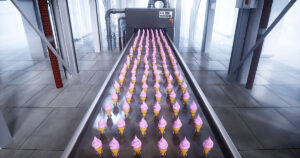
In the food processing industry, a few degrees can mean the difference between compliance and catastrophe. The FDA requires strict temperature control throughout the entire food supply chain to prevent bacterial growth and protect consumers. But here’s the reality: even a brief temperature excursion can lead to spoiled products, costly recalls, and hefty FDA fines

When it comes to food safety, health inspectors don’t leave room for error—and neither should you. Whether you’re running a bustling restaurant, a school cafeteria, a hospital kitchen, or a food manufacturing facility, maintaining proper temperature logs isn’t just best practice—it’s a regulatory requirement. But here’s the truth: manual temperature logging is outdated, error-prone, and
3001 Bee Caves Rd Ste. 100
Austin, TX 78746
512-256-7552
