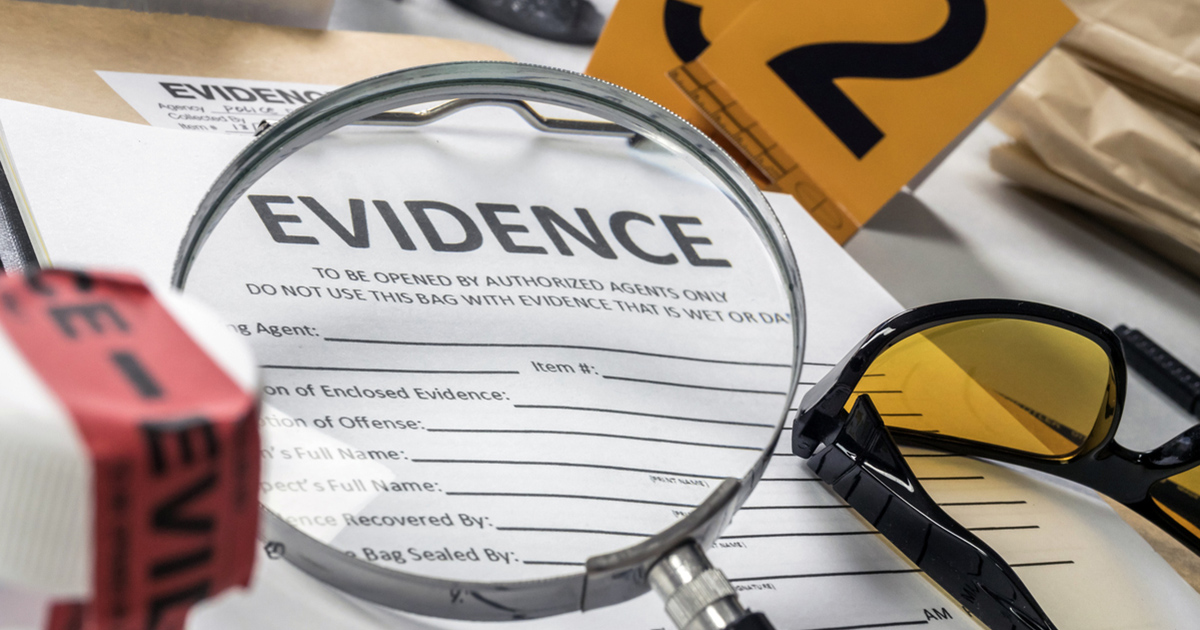
In forensic laboratories, temperature control is not just a facilities concern. It is a matter of evidence integrity, scientific accuracy, and legal defensibility. From biological samples to chemical reagents and long term evidence storage, even small temperature deviations can compromise results and jeopardize cases. This article explores why temperature monitoring is critical in forensic labs, the risks of inadequate monitoring, and how wireless temperature monitoring supports accuracy, compliance, and confidence in forensic operations.
Table of Contents
- Why Temperature Monitoring Matters in Forensic Labs
- Common Temperature Challenges in Forensic Environments
- Risks of Inadequate or Manual Monitoring
- Benefits of Wireless Temperature Monitoring
- Critical Areas and Assets to Monitor
- Best Practices for Forensic Temperature Control
- How Wireless Sensors Protect Evidence and Results
- Conclusion
Why Temperature Monitoring Matters in Forensic Labs
Forensic laboratories handle sensitive materials that must remain within defined temperature ranges to preserve their integrity. Biological evidence such as blood, DNA samples, tissue, and bodily fluids can degrade quickly if exposed to temperatures outside recommended limits. Chemical reagents and calibration standards are also temperature sensitive and may lose effectiveness or accuracy if conditions fluctuate.
Beyond scientific accuracy, temperature control plays a role in legal defensibility. Proper environmental documentation helps demonstrate that evidence was stored and handled according to established protocols. Reliable temperature records strengthen chain of custody and support laboratory accreditation and courtroom credibility.
Common Temperature Challenges in Forensic Environments
Maintaining stable temperatures across a forensic lab is complex. Different rooms and assets often require different setpoints, and a single facility may include ambient lab space, cold storage, freezers, and controlled evidence rooms.
Common challenges include:
- Multiple storage types with different temperature requirements in close proximity
- High traffic areas where doors open frequently and disrupt conditions
- After hours exposure when staff are not present to notice equipment failures
- Aging HVAC or refrigeration systems that drift outside tolerance
- Shared building infrastructure that limits fine control of lab specific conditions
Risks of Inadequate or Manual Monitoring
Manual temperature checks provide limited visibility and can miss short term excursions that still damage samples or reagents. A freezer failure overnight or over a weekend may not be discovered until evidence is already compromised.
Inconsistent logging and human error also create gaps in documentation. During audits, accreditation reviews, or legal proceedings, incomplete or questionable records can raise concerns about evidence handling and laboratory practices.
Benefits of Wireless Temperature Monitoring
Wireless temperature monitoring systems provide continuous, automated tracking of conditions across forensic laboratories. Sensors transmit data to a centralized platform where staff can view real time conditions and historical trends without manual intervention.
Key benefits include:
- Immediate alerts when temperatures move outside acceptable ranges
- Continuous documentation that supports accreditation and audit requirements
- Reduced reliance on manual checks freeing staff to focus on analytical work
- Remote visibility for supervisors and facilities teams at any time
- Scalable deployment as storage needs and lab layouts evolve
Critical Areas and Assets to Monitor
Effective monitoring strategies focus on both rooms and equipment that directly affect evidence and testing outcomes. Common monitoring points include:
- Evidence storage rooms to confirm ambient conditions remain within protocol
- Refrigerators and freezers storing biological samples and reagents
- DNA extraction and analysis areas where environmental stability supports consistency
- Chemical storage cabinets for volatile or temperature sensitive materials
- Cold rooms and long term storage units that protect archived evidence
Monitoring these areas helps labs identify trends, prevent failures, and prioritize maintenance before issues escalate.
Best Practices for Forensic Temperature Control
Temperature monitoring is most effective when paired with clear policies and response procedures. Best practices include:
- Define acceptable ranges for each room, freezer, and storage asset
- Set alert thresholds that allow time to intervene before damage occurs
- Document response actions for excursions and equipment failures
- Review temperature trends regularly to identify drift or recurring issues
- Integrate monitoring into quality systems and accreditation documentation
How Wireless Sensors Protect Evidence and Results
Wireless temperature sensors act as a constant safeguard for forensic operations. By detecting issues early, labs can relocate evidence, adjust equipment, or engage maintenance before irreversible damage occurs.
The result is stronger confidence in analytical results, reduced risk of evidence loss, and a clearer record that demonstrates responsible handling practices. Over time, continuous monitoring supports consistent workflows, fewer disruptions, and improved trust from stakeholders and the justice system.
Modernize Your Forensic Lab Today
In forensic laboratories, temperature control underpins scientific integrity and legal credibility. Continuous temperature monitoring helps protect evidence, preserve reagents, and support defensible laboratory practices. Wireless monitoring solutions make it easier to maintain visibility across complex environments and respond quickly when conditions change.
When one degree can make the difference, reliable temperature monitoring becomes an essential part of modern forensic laboratory operations.