
platform: Swift Sensors

5 Ways Smart Restaurants Minimize Food Safety Risks

Food safety is not just a regulatory requirement—it’s a core part of delivering a trustworthy, high-quality dining experience. One misstep can result in foodborne illness outbreaks, legal consequences, and lasting reputational damage. The smartest restaurants know that reactive measures aren’t enough—they must be proactive, systematic, and tech-forward in their approach. Here are five key ways
Why Top Schools Use Wireless Refrigeration Monitoring

In today’s education environment, top-performing schools are not just focusing on academic excellence—they are also investing in infrastructure that ensures safety, efficiency, and sustainability. Among the most critical yet often overlooked areas is refrigeration monitoring in school cafeterias, science labs, and nurse stations. Leading schools across the country are now turning to wireless refrigeration monitoring


Top 5 Challenges in Food Processing and How Smart Sensors Solve Them

In today’s food processing industry, maintaining quality, safety, and operational efficiency is more critical than ever. Regulatory demands, consumer expectations, and intense competition mean that processors must adopt smarter technologies to stay ahead. Among the most transformative tools are smart wireless sensors, which are revolutionizing how food is processed, monitored, and managed. Here are the
The Critical Role of Temperature Monitoring in Pharmaceutical Facilities

Temperature control is more than a compliance requirement in pharmaceutical environments—it’s a foundational element of quality assurance, safety, and operational success. Whether in research labs, cleanrooms, cold storage areas, or large-scale manufacturing lines, the importance of consistent and accurate temperature monitoring cannot be overstated. Safeguarding Product Integrity Pharmaceutical products—especially vaccines, biologics, and temperature-sensitive compounds—can degrade
Best Practices for Pharmaceutical Temperature Monitoring

Maintaining precise temperature control is critical in pharmaceutical environments—not just for regulatory compliance, but for safeguarding product efficacy and patient safety. Whether in an office-based R&D setting or a large-scale manufacturing facility, improper temperature management can lead to degraded compounds, regulatory violations, and costly losses. Here are the best practices to ensure robust, compliant, and
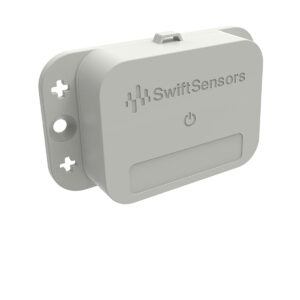
How Wireless Sensors are Improving CNC Machine Monitoring

Manufacturing is evolving rapidly, and the demand for smarter, more efficient production systems is higher than ever. Traditional monitoring methods for CNC machines and industrial presses often involve manual inspections or hardwired sensors — both costly and limited by infrastructure constraints. Enter wireless sensor technology: a game-changing solution that connects the factory floor directly to
